C is for Cowboy Embroidery Review
As a designer who spends half my day staring at stitch charts and the other half troubleshooting tension issues on vintage machines, I don’t just look at an embroidery design; I evaluate its potential in the real world. When C is for Cowboy landed on my desk, I didn’t just see a cute letter graphic. I saw a potential bestseller for the upcoming baby season, a staple for rustic-themed boutique collections, and a versatile asset for small business owners looking to expand their digital product offerings. This review breaks down how this specific machine embroidery design performs when pulled from the screen and pushed through the needle.
First Impressions: Mood and Visual Personality
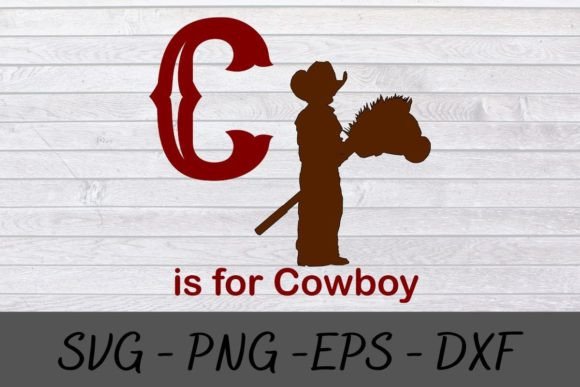
The moment you open the file, the personality of C is for Cowboy jumps out. It isn’t trying to be overly ornate or delicate. Instead, it carries a confident, playful energy that feels perfectly suited for modern handmade aesthetics. The shape suggests a Western theme without relying on cliché clutter, which is a huge plus for designers who want their work to feel curated rather than chaotic.
In terms of visual hierarchy, the design strikes a balance between readability and decorative flair. For a craft business owner, this means the product will photograph well. Whether you are creating a printable mockup for an Etsy listing or setting up a display at a local craft fair, the clean lines and thematic consistency make it an easy sell. It feels like a personalized gift waiting to happen, particularly for families with a love for rural life, rodeo culture, or simply a fondness for bold, character-driven typography.
Real-World Application: Where Does It Shine?
I recently put C is for Cowboy through its paces by simulating several common embroidery project scenarios. Here is where the design truly excels:
- Baby Embroidery and Bodysuits: This is arguably the strongest use case. The playful nature of the letter "C" paired with the cowboy motif creates an instant hit for baby showers. When digitized correctly, the design translates beautifully onto soft cotton bodysuits. It adds a touch of personality that parents love, making it a high-demand item for Etsy sellers targeting new moms.
- Rustic Home Decor: I tested the design on a heavy canvas tote bag and a linen kitchen towel. On these surfaces, the fabric texture complements the rugged theme of the design. It works exceptionally well as part of a larger set—imagine a matching set of tea towels for a newlywed couple’s housewarming gift. The design holds its own against natural fibers, adding warmth to the home environment.
- Custom Apparel and Sweatshirts: For fall and winter collections, this design shines on sweatshirts and hoodies. The bold outline ensures visibility even on thicker fabrics. It serves as a great focal point for small shop products that aim for a cozy, western-inspired vibe. It’s also effective for holiday embroidery, particularly around Christmas time when rustic themes are in high demand.
The versatility of C is for Cowboy extends beyond physical goods. As a digital embroidery file, it is a valuable asset for those selling design assets online. Its clear structure makes it easy to resize and adapt for various applications, ensuring that your craft business can cater to a wide range of customer needs.
Technical Considerations and Stitch Clarity
No matter how pretty a design looks on screen, its success depends on execution. When evaluating C is for Cowboy, we must look at the technical details that affect the final finished product.
The design relies heavily on clean outlines and solid fills. This generally means good stability during stitching, provided the stitch density is appropriate for the fabric weight. However, designers need to be mindful of the satin stitch quality. If the corners of the letter are too sharp, they may not lay flat without proper underlay stitches. Always check the digitization for smooth transitions to avoid thread breaks or puckering.
Another critical factor is thread colors. The design’s impact changes drastically depending on whether you use a traditional black thread on white fabric or a cream thread on denim. Testing different thread colors helps determine the best aesthetic for your target market. For a more subtle look, consider using tonal threads, while high-contrast colors will make the design pop for younger audiences.
Where to Use It Carefully
While C is for Cowboy is versatile, it is not a one-size-fits-all solution. There are specific scenarios where caution is advised:
- Small Hoop Sizes: If you are working with very small hoops, the details of the design may become lost or distorted. Ensure the design fits comfortably within your chosen hoop dimensions to maintain clarity.
- Textured and Stretchy Fabrics: While it looks great on canvas, applying this design to highly textured or stretchy materials like jersey knit requires extra care. Without the right stabilizer, the fabric may pucker, ruining the crisp lines of the lettering.
- Dense Stitch Areas: If the design includes dense fill areas, be cautious when embroidering on thin fabrics. The weight of the thread can cause the fabric to distort. Always use a cut-away stabilizer for durability, especially for items that will undergo frequent washing.
- Curved Surfaces: Applying this design to caps or curved hats requires precise positioning. The straight lines of the letter may appear warped if not aligned correctly with the curve of the garment.
Practical Designer Notes for Success
To ensure the highest quality results when using C is for Cowboy, follow these practical steps before committing to a final piece:
- Test on Scrap Fabric: Never skip this step. Test the design on the exact fabric type you plan to use. This allows you to adjust tension and stabilizer choices before working on the final product.
- Check Black and White Mockups: Convert your design to black and white to assess contrast and detail visibility. This helps identify any weak points in the digitization that might not be obvious in color.
- Confirm Licensing: Before selling finished items or distributing the embroidery file, verify the licensing terms. Understanding what you can and cannot do with the design protects your commercial embroidery business from legal issues.
- Inspect Small Details: Zoom in on the digital file to inspect any intricate parts. Ensure that small elements are large enough to be stitched accurately by most home embroidery machines.
Ultimately, C is for Cowboy is a strong addition to any designer’s library. Its blend of charm, simplicity, and thematic appeal makes it suitable for a wide array of projects, from baby gifts to custom apparel. By paying attention to the technical details and choosing the right materials, you can create professional-quality handmade products that resonate with customers. Whether you are an experienced pro or just starting your journey in the graphics and crafts industry, this design offers a reliable foundation for creative expression and commercial success.