Western Boots - Line Art Review
As a designer who spends half my life staring at stitch charts and the other half troubleshooting tension issues on vintage machines, I approach every new embroidery file with a mix of curiosity and skepticism. There is a specific kind of magic in line art designs—they promise simplicity, but they often demand precision. When I first pulled up Western Boots - Line Art, I wasn’t just looking at a picture of footwear; I was evaluating a potential asset for my own craft business and client projects. This piece falls under the Dance Amp category within Crafts, which immediately signals a blend of performance energy and handmade utility. But does it hold up when converted into thread? Let’s dive into how this design performs in real-world scenarios.
The First Impression: Mood and Visual Personality
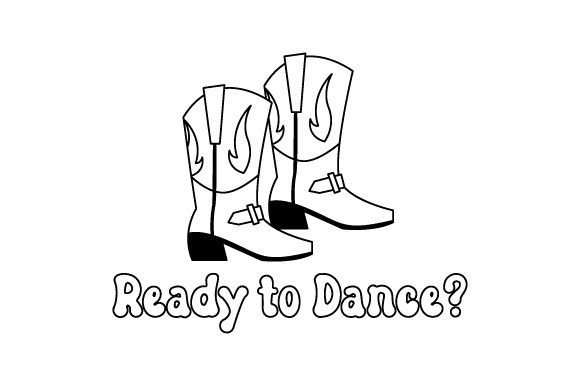
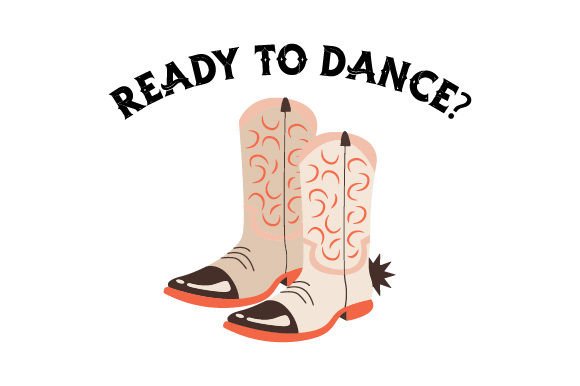
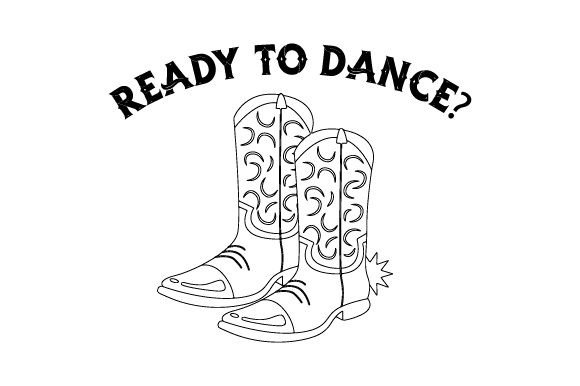
Line art relies entirely on negative space and confident strokes. The moment you open the file, the mood is established: rugged yet refined. It captures the silhouette of classic cowboy boots without getting bogged down in excessive detail. For an embroidery project that needs to read clearly from a distance—like on a tote bag or a sweatshirt—this clarity is vital. The shape feels balanced, avoiding the cluttered look that can plague overly detailed boot designs. It has a modern, graphic quality that appeals to contemporary aesthetics while honoring traditional western wear themes.
I found myself imagining this design not just as a literal depiction of boots, but as a symbol of lifestyle. It evokes rodeo culture, country music festivals, and weekend ranching vibes. This emotional connection is what turns a simple handmade product into something customers want to buy. The clean lines suggest versatility, making it suitable for both masculine and feminine presentations depending on the color palette chosen.
Real-World Application: Where Does It Shine?
In my experience, the best machine embroidery design is one that solves a problem or enhances a product’s value. Western Boots - Line Art excels in several key areas for small business owners and Etsy sellers.
- Custom Apparel: Placing this on a heavyweight cotton sweatshirt creates an instant statement piece. The line art style works beautifully with bold thread colors, creating a striking contrast against dark fabrics like navy or black. It transforms a basic garment into a custom apparel item that feels boutique-quality.
- Tote Bag Design: Canvas bags are a staple for craft fairs. A single, centered boot design looks professional and uncluttered. Because the file includes SVG and PNG formats, you can easily scale it to fit standard 10x10 inch hoops without losing integrity. It serves as a perfect tote bag design for farmers markets or art shows.
- Baby Embroidery and Nursery Decor: Surprisingly, this design translates well to softer products. When digitized with a gentle satin stitch border or used as a minimal accent on a onesie, it adds a unique thematic touch. Parents love unique themes, and a subtle boot motif on a baby embroidery project stands out among the usual animals and clouds.
- Embroidered Patch: If you sell patches as accessories for denim jackets or backpacks, this is a strong candidate. The defined edges make it easy to add a sturdy backing. It functions effectively as an embroidered patch that communicates identity and interest instantly.
Technical Considerations and Stitch Behavior
Here is where my designer hat tightens. Line art can be deceptive. While it looks simple on screen, the execution depends heavily on your machine settings and materials. Since this design is provided in multiple formats including SVG File, Transparent PNG, EPS, and DXF, you have flexibility in how you prepare it. However, you must consider the stitch types involved.
If you plan to use a satin stitch for the outline, ensure your hoop size accommodates the curve of the boot shaft without distorting the fabric. On stretchy fabrics, such as jersey knits used for t-shirts, a dense outline might pucker. In those cases, switching to a fine running stitch or a light fill stitch pattern for internal details can preserve the clean look. Always test the design on scrap fabric first to check thread color contrast. A thin white line on a cream shirt will disappear, ruining the finished product.
Additionally, pay attention to the stitch density. If the original digitization is too sparse, the fabric texture might show through, making the image look grainy. If it is too dense, it may become stiff and uncomfortable, especially on garments like aprons or pillow covers that require softness. I recommend reviewing the file in black and white mockups to ensure the shapes remain distinct before committing to expensive specialty threads.
Where to Use With Caution
Not every surface is created equal. There are specific scenarios where Western Boots - Line Art might struggle:
- Small Hoop Sizes: If the design is scaled down too much, fine details may merge together. Keep the minimum height above 2 inches to maintain readability.
- Textured Fabrics: Linen, burlap, or heavy fleece can obscure thin lines. On these surfaces, thicker outlines or applique techniques work better than pure line art.
- Curved Surfaces: While caps are popular, embroidering a straight-line boot design on a curved brim or crown requires advanced hooping skills to prevent distortion. For beginners, flat surfaces like kitchen towels or pillow covers are safer bets.
- Frequent Washing: For items like aprons or workwear that undergo heavy laundering, ensure the stabilizer is removed completely and the stitches are secure. Loose threads in line art can snag easily.
Impact on Brand and Customer Trust
For Etsy sellers and craft business owners, presentation is everything. A well-executed digital embroidery file elevates your brand perception. When a customer receives a personalized gift featuring a crisp, clear boot design, it signals professionalism. They associate the quality of the stitching with the quality of your entire shop. Conversely, a sloppy execution can lead to returns and bad reviews.
This design also supports commercial embroidery opportunities. Its neutral yet thematic nature allows it to fit into broader collections. You could pair it with matching designs like spurs, horses, or cacti to create a cohesive western-themed line for boutiques. The versatility of the line art style means it doesn't date quickly, ensuring your design assets remain relevant season after season.
Final Designer Notes
Before you start mass-producing, remember to confirm licensing terms if you intend to sell finished items. While the file formats provided are versatile, commercial rights vary. Test your thread colors against your target fabric texture. Experiment with different stabilizer types—cut-away for stability on woven goods, tear-away for lightweight knits.
Western Boots - Line Art is a solid, practical choice for designers looking to add a touch of western flair to their repertoire. It balances aesthetic appeal with technical feasibility, making it a valuable addition to any library of embroidery files. Whether you are creating a holiday embroidery gift, a sweatshirt embroidery for a festival, or a printable mockup for your online store, this design offers the reliability and style needed to succeed.