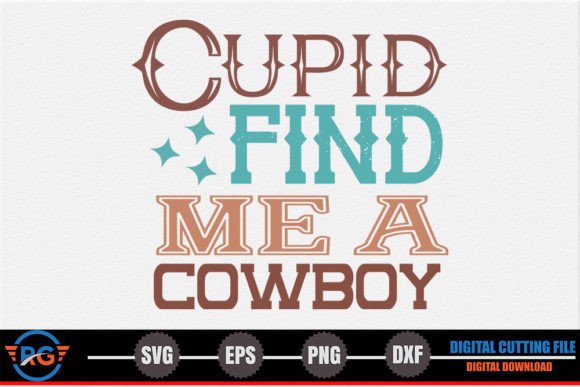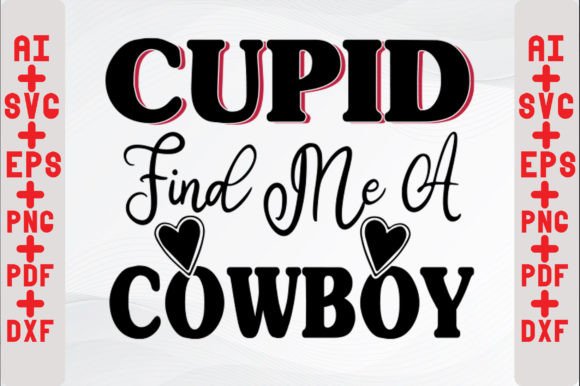
Cupid Find Me a Cowboy SVG Cut File Review
As an embroidery designer who spends half my life agonizing over stitch density and the other half trying to make sure clients don’t accidentally order five thousand units of a design that won’t digitize well, I approach every new asset with a healthy dose of skepticism. We are drowning in digital assets. The market is saturated. So, when I pulled up Cupid Find Me a Cowboy SVG Cut File, I wasn’t just looking for cute graphics; I was looking for viability. Could this actually work in a real-world production environment? Would it hold up on a busy craft fair table or a high-end boutique shelf?
The short answer is yes, but with specific caveats that only become apparent when you move beyond the screen and into the hoop. This review breaks down how this digital file performs when translated into physical form, specifically targeting those of us in the Crafts and Graphics niches who need practical insights before committing to a production run.
First Impressions: Mood and Visual Personality
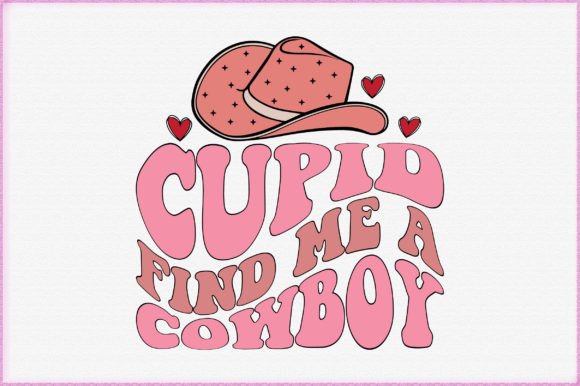
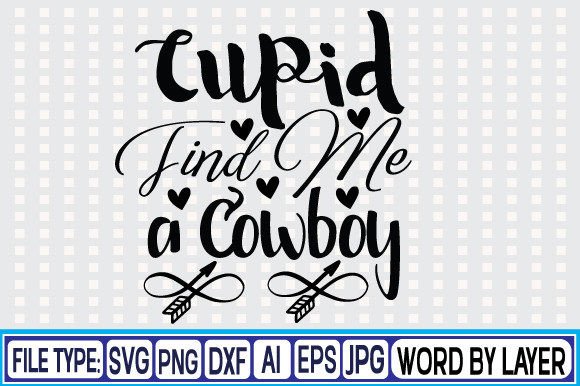
The moment you load the file, the theme is unmistakable. It taps into a very specific, highly popular aesthetic that blends romantic whimsy with rugged Americana. The phrase "Find Me a Cowboy" paired with Cupid imagery creates a playful contrast. It’s not your standard, stiff Valentine’s Day clip art. There is a sense of movement and personality here that suggests a finished product which feels approachable rather than pretentious.
For designers, the layout is clean. The text hierarchy is clear, which is crucial for legibility once the design is stitched. In the world of machine embroidery, if the eye doesn’t know where to land in the first three seconds, the design fails. Here, the balance between the graphic element (Cupid) and the typographic element works well. It feels like a handmade product that has been thoughtfully curated, not just slapped together by a template generator. This visual clarity directly translates to higher perceived value for the end consumer.
Real-World Application: Where Does This Design Shine?
I put this design through its paces mentally across several common use cases for Etsy sellers and small shop owners. The versatility of this embroidery project is one of its strongest assets.
Custom Apparel and Sweatshirt Embroidery: This is likely the primary revenue driver. Imagine a soft, heather-gray sweatshirt with this design centered on the chest or placed slightly off-center on the left pocket area. The contrast between the casual fabric texture and the precise stitching of the design elevates the garment from basic to boutique. It fits perfectly into the holiday embroidery category, specifically around Valentine’s Day, but also serves as year-round wear for fans of the genre.
Tote Bag Design and Accessories: Canvas tote bags are a staple for craft business owners. This design scales beautifully on a tote. Because it is a digital embroidery file that can also be used for cutting (given the SVG format), you could even layer applique techniques. A satin stitch outline on a canvas bag gives a crisp, professional finish that screams quality. It makes for an excellent personalized gift for someone heading to a rodeo or a country-themed wedding.
Baby Embroidery and Nursery Decor: Don’t overlook the potential here. While the phrase might seem mature, the Cupid motif is inherently soft. On a onesie or a baby blanket, using softer thread colors—like pastel pinks, creams, or light grays—can soften the edge of the cowboy theme. It becomes a unique, conversation-starting piece for parents who want something outside the typical floral or animal motifs.
Technical Considerations and Stitch Performance
This is where the rubber meets the road. As a reviewer, I must emphasize that how a design looks on a monitor is vastly different from how it stitches out. Here is what you need to watch out for when using Cupid Find Me a Cowboy SVG Cut File.
- Stitch Density and Detail: If the design relies heavily on tiny, intricate details in the Cupid figure, you need to ensure your machine can handle the resolution. Dense areas can cause puckering, especially on thinner fabrics. Always check the stitch density in your digitizing software. If the fill stitch is too heavy, consider adjusting the underlay or reducing the density slightly to maintain fabric drape.
- Thread Colors and Contrast: The success of this design hinges on color choice. On dark fabric, you will need a high-contrast thread palette. White or bright yellow text against black denim will pop, but muted tones might get lost. Test your thread colors on scrap fabric that matches your final product exactly. Fabric texture plays a huge role; a rough burlap tea towel will eat away fine details faster than smooth cotton twill.
- Hoop Size Constraints: Ensure the design fits within your standard hoop sizes. If you are planning to embroider on curved surfaces like caps or hats, the curvature can distort straight lines in the text. You may need to adjust the placement or use a specialized cap frame to keep the typography legible.
Where to Use With Caution
Not every surface is created equal. I would advise against placing this design on extremely stretchy knits without proper stabilization, as the tension can warp the lettering. Similarly, on textured fabrics like heavy waffle-knit towels or coarse linen, fine lines in the graphic may disappear. In these cases, increasing the stroke width of the satin stitch elements or opting for a simpler, bold version of the design (if available) is wise.
Also, consider the end-user experience. If this is intended for a kitchen towel or tea towels that will be washed frequently, ensure the design is durable. Avoid placing delicate, isolated threads near the hem where friction occurs during washing. A robust running stitch border or a solid fill stitch base will hold up better than fragile decorative accents.
Commercial Viability and Brand Consistency
For those selling this as part of their small shop product line, consistency is key. This design has a distinct voice. It works well if your brand leans into rustic, romantic, or humorous themes. It helps build brand consistency because customers will start to recognize the style. However, avoid mixing it with overly formal or corporate designs in your catalog, as it may confuse your target audience.
When creating printable mockups for your online store, remember that lighting matters. Show the design on multiple backgrounds—a light wooden table, a dark slate counter, and on actual garments. This transparency builds customer trust. Buyers want to see how the embroidered patch or direct-to-garment print looks in real life, not just in a sterile white-box image.
Practical Designer Notes Before You Start
Before you commit to a full production run, follow these steps to protect your reputation and your time:
- Test on Scrap Fabric: Never skip this step. Stitch the design out on the exact fabric type and weight you plan to sell. Check for thread breaks, tension issues, and color accuracy.
- Inspect Small Details: Zoom in on the digitized file. Are there any overlapping stitches that shouldn’t be there? Is the text kerning consistent? Fix these issues in your software before loading them into the machine.
- Check Licensing: Since this is a digital product, verify the license terms. Can you sell finished items? Can you use it in commercial bundles? Do not assume rights; read the fine print to avoid legal headaches.
- Use Proper Stabilizer: The right stabilizer can make or break a design. For lightweight fabrics, use a tear-away. For heavier items like denim jackets, a cut-away may be necessary to prevent distortion over time.
- Black and White Mockup: View your design in grayscale. This helps you assess the balance of positive and negative space. If the design looks muddy in black and white, it will likely look cluttered in color.
In conclusion, Cupid Find Me a Cowboy SVG Cut File is a strong contender for designers looking to add a touch of playful romance to their custom apparel and home decor lines. It offers a good balance of detail and readability, provided you respect the technical limitations of embroidery. By testing thoroughly and choosing the right materials, you can turn this digital asset into a profitable, high-quality finished product that resonates with buyers. It’s not just a file; it’s a foundation for a great handmade story.