Reviewing the Western Cowboy Hat SVG for Embroidery
As a designer who spends more time staring at stitch density charts and fabric swatches than sleeping, I approach every new digital asset with a healthy dose of skepticism. The market is flooded with generic clipart masquerading as professional embroidery files, so when I pulled up the Western Cowboy Hat SVG, I didn’t just look at the preview image. I looked at how it would translate from a vector line into thread on a hoop. This review breaks down whether this design is ready for your next custom order or if it belongs in the "test run" folder.
First Impressions: Mood and Visual Personality
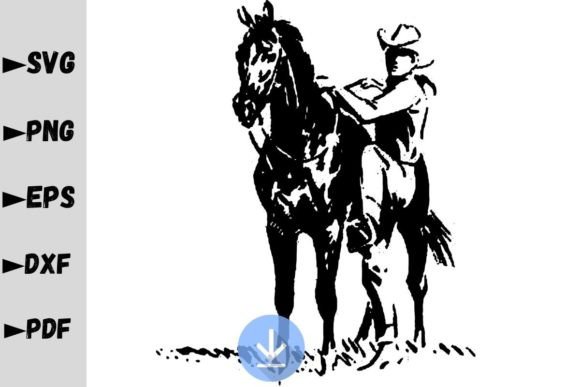
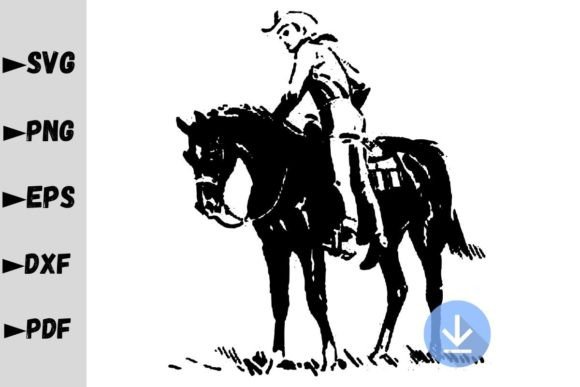
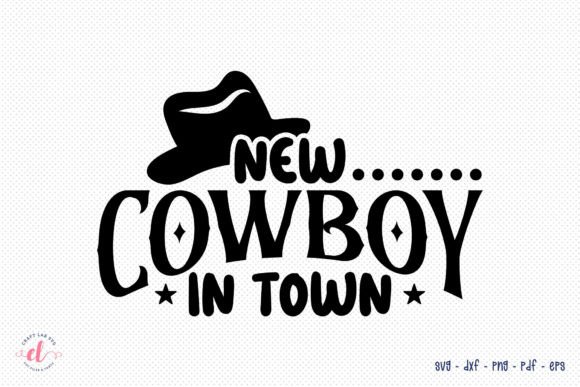
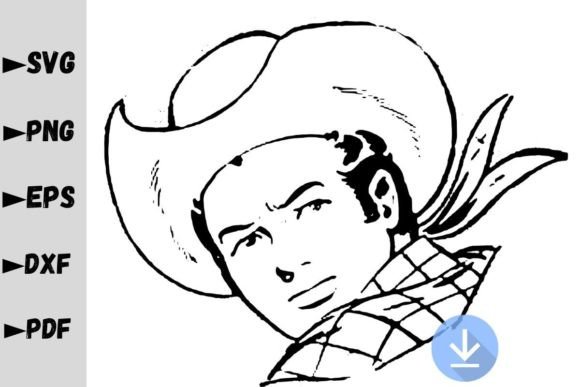
The immediate vibe of this design is unmistakably retro. It captures that classic, almost nostalgic feel of vintage western wear without leaning too heavily into caricature. The silhouette is bold, which is exactly what you want when working with limited color palettes in machine embroidery. Unlike overly intricate designs that turn into muddy blobs after three washes, this cowboy hat SVG relies on strong shapes and negative space to convey its theme.
Visually, the layout feels balanced. Whether you are looking at it as a standalone Western Cowboy Head SVG or paired with other elements, the weight of the design sits comfortably in the center. It doesn’t scream for attention; it invites it. For an Etsy seller or small shop owner, this is crucial. You want products that feel curated and intentional, not like they were slapped together with random clipart. The Retro style Cowboy aesthetic gives it a timeless quality that fits well in modern farmhouse decor, boutique apparel, and even children’s nursery themes where a subtle western touch is desired.
Real-World Application: Where This Design Shines
I put this design through a mental simulation of actual production scenarios. Here is where the Western Cowboy Hat SVG truly earns its keep:
- Custom Apparel and Sweatshirts: This is perhaps the strongest use case. A mid-sized placement on the chest of a heather grey sweatshirt creates an instant statement piece. The bold lines hold up well against the texture of fleece or cotton blends, making it perfect for fall and winter collections.
- Tote Bags and Canvas Goods: As a tote bag design, it offers high visual impact. Because canvas has a distinct weave, the contrast between the thread and the fabric will be sharp. It works beautifully as a large central motif or repeated in a pattern along the side panels.
- Personalized Gifts and Baby Items: There is a surprising versatility here for baby embroidery. When scaled down slightly, the clean lines work well on burp cloths, muslin blankets, or onesies. It avoids being too aggressive while still maintaining character, making it a great choice for gender-neutral baby showers.
- Embroidered Patches: If you add a border, this makes for a sturdy embroidered patch. The solid shapes allow for easy edge finishing, whether you choose a merrowed edge or a felt backing. These sell exceptionally well as accessories for denim jackets and backpacks.
- Kitchen and Home Decor: Don’t overlook the utility angle. On a flour sack towel or a kitchen apron, this adds a touch of rustic charm. It’s a holiday embroidery staple that can transition from summer BBQs to autumn harvest themes seamlessly.
Critical Considerations for Stitching Success
While the concept is strong, execution is everything. Not every surface is created equal, and there are specific areas where you need to exercise caution with this embroidery file.
Hoop Size and Scale: Always check the recommended hoop size before starting. If the design is intended to be large, attempting to shrink it down significantly can result in lost detail. Conversely, blowing it up too much might require multiple hooping sequences, increasing the risk of alignment errors. Test the scale on scrap fabric first to ensure the proportions remain pleasing.
Fabric Texture and Stability: This design performs best on stable, woven fabrics. Avoid using it on highly textured materials like heavy boucle or very thin, stretchy knits unless you are using a robust stabilizer. Stretchy fabrics can distort the circular shape of the hat brim, leading to a wobbly final product. For commercial embroidery on caps or curved surfaces, you must account for the curvature during digitizing or stitching to prevent puckering.
Detail and Density: Pay close attention to the smaller details. If the design includes fine facial features or intricate hatband patterns, ensure your stitch density isn’t too high. Too many stitches in a small area can cause the fabric to pucker or the thread to break. If the original file lacks sufficient underlay stitches for stability, you may need to adjust settings in your embroidery software to prevent shifting.
Thread Color and Contrast
The success of any monochrome or limited-color design hinges on thread choice. With a Mexican SVG or western theme, earth tones—rusts, olives, deep browns, and creams—will enhance the retro vibe. However, always test thread colors against your specific fabric. A light beige thread on a cream shirt will disappear, while a navy blue on black might get lost in the shadows. Run a black-and-white mockup of your design to check contrast levels before committing to a full run.
Professional Tips for the Craft Business Owner
If you are selling finished goods or digital assets, consider these practical steps to maximize value and minimize returns:
- Test on Scrap Fabric: Never skip this step. Different fabric compositions react differently to tension and needle penetration. A test run reveals potential issues with thread breaking or fabric distortion early.
- Inspect Small Details: Zoom in on your screen. Are the corners of the hat brim sharp? Is the text legible (if included)? If the design is meant to be an applique design, ensure the cut lines are precise.
- Verify Licensing: Before listing this as a small shop product or including it in a bundle of design assets, double-check the commercial use rights. Some creators allow unlimited commercial use, while others restrict the number of physical items you can sell.
- Create Printable Mockups: Use high-quality mockups to show customers how the finished product looks. Seeing the design on a real person or item builds trust and helps buyers visualize the quality of your craftsmanship.
- Stabilizer Selection: Choose the right stabilizer for the job. Cut-away stabilizers are generally safer for long-term durability, especially for items that will be washed frequently, such as custom apparel or aprons.
Final Verdict
The Western Cowboy Hat SVG is a solid addition to any designer’s library. It strikes a balance between recognizable iconography and clean, stitchable geometry. It is versatile enough for personal projects yet professional enough for serious craft business ventures. By paying attention to fabric choice, thread contrast, and proper stabilization, you can turn this simple vector into a high-value handmade product that customers will love. Just remember: good design starts with good preparation. Test thoroughly, stitch confidently, and let the quality of your work speak for itself.