Western Boots Embroidery Design Review
As a designer who spends half my life staring at stitch charts and the other half trying to sell handmade goods, I don’t just look for "pretty" designs. I look for viability. I need to know if a design will hold up on a cotton tote bag, if it reads clearly from three feet away in a craft fair booth, and if it adds enough perceived value to justify the time it takes to hoop, stitch, and finish. Today, I am putting Western Boots through that exact gauntlet.
This design falls under the Dance Amp category within Crafts, but let’s be honest: its appeal stretches far beyond any single niche. It taps into a broader aesthetic of Americana, rustic chic, and country-inspired fashion. Whether you are an Etsy seller looking for your next bestseller or a hobbyist making a personalized gift, understanding how this specific embroidery file translates from screen to fabric is crucial. Here is my practical breakdown of using Western Boots for real-world projects.
First Impressions and Visual Personality
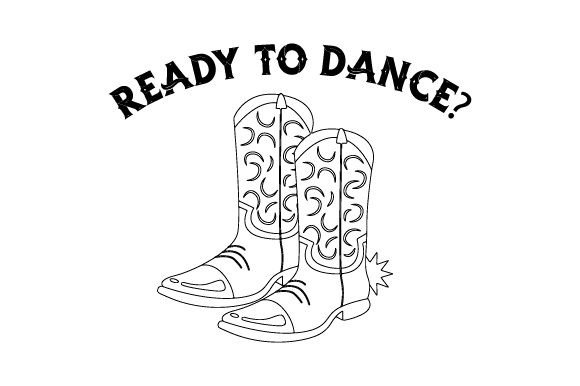
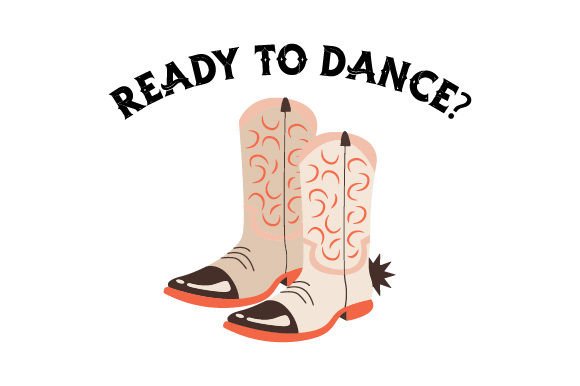
The moment you load the Western Boots design into your digitizing software, the layout speaks to a specific mood. It isn’t subtle. It is bold, grounded, and instantly recognizable. The shape captures the essence of classic cowboy footwear without getting bogged down in hyper-realistic detail that might muddy the stitching. This is smart digitizing. By focusing on strong outlines and essential features, the design ensures that even at smaller scales, the subject matter remains clear.
Visually, it feels rugged yet refined. It has a vintage poster quality that works exceptionally well when paired with earth tones or high-contrast thread colors. The visual personality suggests durability and tradition, which makes it an excellent choice for brands that want to convey authenticity. It doesn’t feel like a generic clip-art vector; it feels like a curated graphic asset ready for production.
Real-World Application: Where It Shines
In my experience, the most successful handmade products are those where the design fits the function. Western Boots is incredibly versatile across several categories. Let’s look at how it performs in actual production scenarios.
- Custom Apparel and Sweatshirt Embroidery: This is perhaps the strongest use case. Placing Western Boots on the chest of a heavy cotton sweatshirt or a durable t-shirt creates an instant statement piece. The design’s weight balances well against thick fabrics, ensuring it doesn’t get lost. For boutique branding, this is a staple design that appeals to a wide demographic, from rural lifestyle enthusiasts to urban trendsetters.
- Tote Bag Design and Everyday Carry: A canvas tote featuring this motif is a crowd-pleaser. It works beautifully as a grocery bag, a beach bag, or a library tote. Because the design likely uses a combination of fill stitch for the main body and satin stitch for edges, it holds up remarkably well to the friction and washing that tote bags endure. It adds a touch of personality to a utilitarian item.
- Personalized Gift and Holiday Embroidery: Think about the gifting market. Western Boots is perfect for Father’s Day, birthdays, or Christmas gifts for family members with a love for ranching, rodeo, or country music. You can pair this embroidery project with a custom name patch on a cap or a kitchen towel. The emotional connection buyers feel when they receive a gift tailored to their specific interests drives higher engagement and reviews.
- Baby Embroidery and Nursery Decor: Don’t overlook the baby market. Small, simplified versions of this design work wonderfully on burp cloths, bibs, or onesies. The theme is gender-neutral enough to appeal to all parents while still being distinctively thematic. It also translates well to pillow covers for a nursery with a western or rustic theme.
- Embroidered Patch and Accessories: If you produce embroidered patches, this design is a top contender. Patches allow for border stitching that frames the image nicely, adding a professional finish. They can be ironed or sewn onto denim jackets, backpacks, and beanies, expanding the product line significantly.
Technical Considerations and Potential Pitfalls
No design is perfect for every situation. As a reviewer, I have to point out where Western Boots requires careful handling. Ignoring these factors can lead to frustrated customers and ruined materials.
Hoop Size and Scale: You must check the hoop size requirements before ordering or printing. If you attempt to reduce this design too much, the details may become indistinguishable. On tiny items, such as the cuff of a sock or a small baby hat, the design might lose its impact. Conversely, ensure you have a large enough hoop if you intend to place it centrally on a large blanket or wall hanging. Always test the scale in your software first.
Fabric Texture and Stability: This design relies on clean lines. Stitching it on highly textured fabrics, like chunky knits or rough burlap, can distort the satin stitches and make the boot shape look wavy. Similarly, stretchy fabrics require a strong stabilizer—likely a cut-away type—to prevent puckering. If you are working with thin fabric, you risk showing through the dense stitch areas, which looks unprofessional.
Color Contrast: The visual appeal of Western Boots depends heavily on thread colors. On dark fabric, light threads provide the necessary pop, while on light fabric, darker threads define the shape. Avoid low-contrast combinations, such as beige thread on cream fabric, unless you are going for a very subtle, tonal look. Always inspect small details by converting your mockup to black and white to ensure legibility.
Designer Notes for Production Success
Before you start churning out finished products for your small shop product line, follow these practical steps to ensure quality control.
- Scrap Fabric Test: Never run a new design directly onto customer merchandise. Stitch Western Boots on scrap fabric that matches the weight and texture of your final product. Check for tension issues, thread breaks, or registration errors.
- Stabilizer Selection: Use the appropriate stabilizer for your fabric. For woven cottons, tear-away might suffice, but for knits or garments that will see heavy wear, a cut-away stabilizer provides long-term integrity.
- Licensing and Commercial Use: Since you are likely using this as a digital embroidery file for commercial purposes, verify the license terms. Ensure you are permitted to sell the finished physical items. Some designers restrict the number of units you can produce, so read the fine print.
- Mockup Presentation: When listing this on Etsy or your own website, use high-quality printable mockups. Show the design on different backgrounds and lighting conditions. Highlight the texture and dimensionality that embroidery brings, which separates it from printed graphics.
Final Verdict
Western Boots is a solid, reliable addition to any embroiderer’s library. It bridges the gap between niche appeal and broad marketability. It works as a standalone statement piece or as part of a larger themed collection. Its strength lies in its clarity and versatility, making it suitable for everything from a quick craft fair apron to a premium custom apparel order.
For the craft business owner, this design offers a low-risk, high-reward opportunity. It resonates with a passionate audience and translates well across multiple product types. Just remember to respect the technical limitations regarding fabric and scale, and you will find this design earning its keep in your production workflow. It is not just a picture of boots; it is a functional asset for building a brand identity rooted in style and substance.