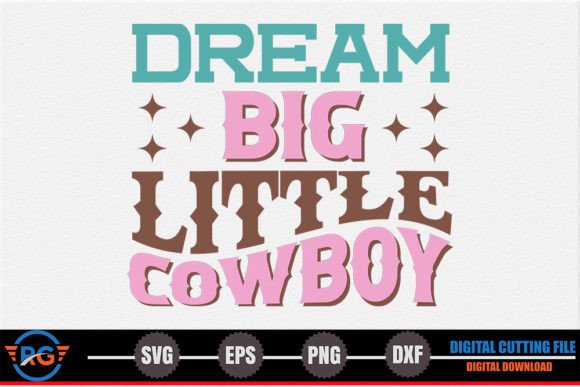
Western Cowboy SVG Sublimation T-shirt Review
As a designer who spends more time than I care to admit staring at stitch density charts and arguing with thread spools, I approach every new embroidery file with a healthy dose of skepticism. The market is flooded with digital assets that look stunning on a screen but fall apart under the needle. Recently, I had the chance to evaluate the Western Cowboy SVG Sublimation T-shirt design package. It claims to include AI, EPS, SVG, and PNG files, built from 100 vector shapes. My goal was simple: determine if this asset holds up as a viable machine embroidery design for real-world commercial use, or if it belongs in the "digital only" graveyard.
First Impressions and Visual Personality
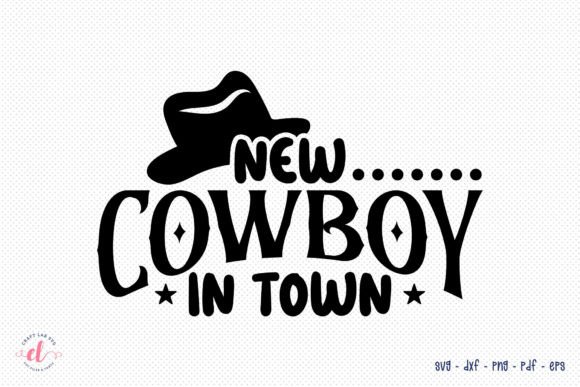
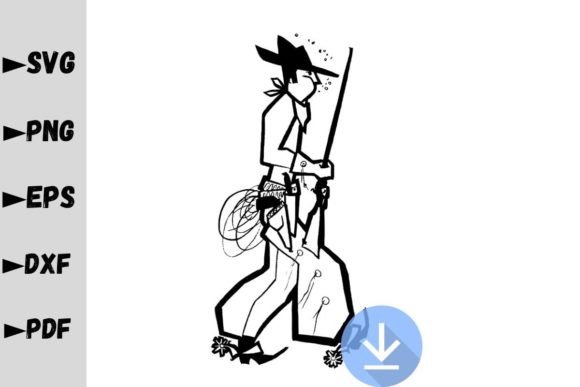
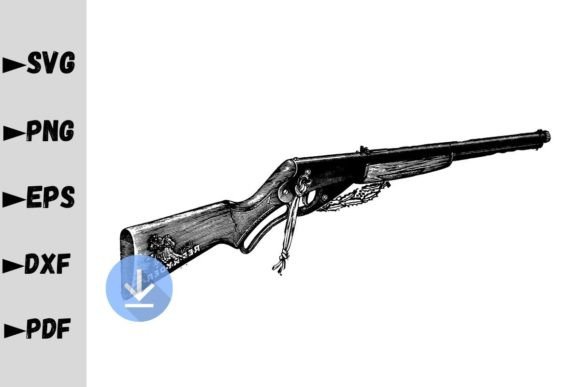
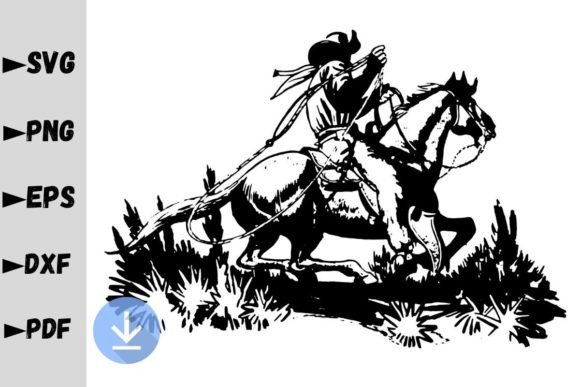
The Western Cowboy theme is ubiquitous in the crafting world. It is a staple for custom apparel, particularly for children’s birthdays, rodeo events, and rustic-themed weddings. However, the challenge lies in execution. Too often, these designs become cluttered caricatures. From a visual standpoint, the Western Cowboy SVG Sublimation T-shirt strikes a balance between bold iconography and clean lines. The use of vector shapes suggests that the curves are smooth, which is critical when converting digital paths into satin stitches.
The mood created by this design is nostalgic yet modern. It feels like something you would see on a high-end boutique shirt rather than a generic craft fair t-shirt. For an Etsy seller or small shop owner, this distinction matters. Customers today are looking for handmade product quality that mimics professional branding. This design provides that foundation. The layout appears spacious enough to allow for proper stitch density without feeling cramped, which is a common pitfall in cowboy-themed graphics where hats, boots, and stars compete for space.
Real-World Application: The Sweatshirt Scenario
To test the practicality of this design, I imagined it applied to a heavy cotton-blend sweatshirt for a holiday gift listing. This is a classic small business merchandise item. When working with thick fabrics, the structure of the design becomes paramount. If the fill stitch areas are too dense, the fabric will pucker; if they are too sparse, the underlying material will show through.
Because this package includes vector formats (AI, EPS, SVG), the transition from digital mockup to physical embroidery is smoother. You can adjust the scale easily. In my scenario, placing this design on the chest of a crewneck sweatshirt allows the cowboy motif to stand out without overwhelming the garment. The contrast between the thread colors and the dark fabric of the sweatshirt would be key here. The vector nature of the source files means you can tweak the thread colors before finalizing the digitization, ensuring that the metallic or bright accent threads pop against the navy or black background. This adaptability increases the perceived value of the finished product.
Where Caution Is Required
Not every surface is created equal. While this design shines on flat, stable fabrics, there are specific scenarios where the Western Cowboy SVG Sublimation T-shirt requires careful handling. First, consider textured fabrics like bouclé or heavy tweed. The fine details inherent in many western motifs may get lost in the weave, resulting in a muddy appearance. Second, avoid using this on highly stretchy fabric without a robust stabilizer. Stretch fabrics distort during stitching, and unless the design has been specifically digitized for knitwear, the symmetry could warp.
Additionally, be wary of attempting this on curved surfaces like baseball caps or fitted beanies. While possible, the complexity of the vector shapes might require extensive re-digitizing to accommodate the curvature. Small hoop sizes also pose a risk. If you attempt to shrink this design down to fit a tiny baby onesie or a miniature patch, you may lose the integrity of the satin stitch edges. The individual strokes might merge, losing the crisp definition that makes the design appealing in the first place.
Technical Considerations for the Embroidery Designer
For those of us who actually run the machines, the format flexibility is the biggest selling point. Having access to AI and EPS files allows for manual cleanup before importing into your embroidery software. This is crucial for checking stitch density. You need to ensure that the running stitch outlines are not overlapping unnecessarily, which causes thread breaks. Similarly, inspecting the fill stitch angles helps prevent unsightly bridging threads.
I strongly advise testing the design on scrap fabric first. This is non-negotiable for any serious embroidery project. Check how the stabilizer interacts with your chosen fabric. A tear-away stabilizer might leave residue on delicate materials, while a cut-away might be too bulky for lightweight tees. Also, review the design in black and white mockups. Sometimes color hides poor structural choices. If the design looks unbalanced in grayscale, it will likely look unbalanced in color.
Commercial Viability and Brand Consistency
From a business perspective, the versatility of this asset supports brand consistency. Whether you are creating personalized gifts for clients or stocking craft fair products, having a reliable, high-quality design asset ensures that your output remains professional. Buyers trust brands that deliver consistent quality. A poorly stitched cowboy hat screams amateur hour; a clean, well-executed design signals professionalism.
This design fits naturally into several niches. It works exceptionally well for holiday embroidery collections, especially around autumn and winter. It also aligns with the growing trend of apron embroidery for kitchen decor, adding a rustic charm to homemade gift sets. Furthermore, its adaptability makes it suitable for digital embroidery file resellers who want to offer a base design that customers can customize. By providing multiple file types, you cater to both hobbyists who use basic software and professionals who need editable vectors.
Final Verdict
The Western Cowboy SVG Sublimation T-shirt is a solid addition to a designer’s toolkit. It offers the structural clarity needed for clean embroidery results and the format flexibility required for diverse applications. While it demands respect regarding fabric choice and hoop size, its potential to elevate a custom apparel line is significant. For the craft business owner looking to expand their catalog with reliable, attractive designs, this asset delivers on its promise of being a versatile, high-quality starting point. Just remember: the file is only half the battle. Your choice of thread, stabilizer, and technique will ultimately define the success of the finished product.