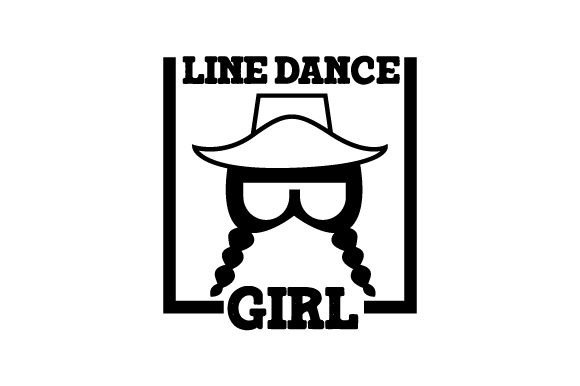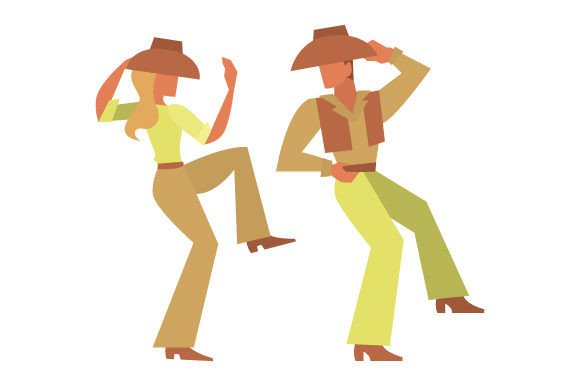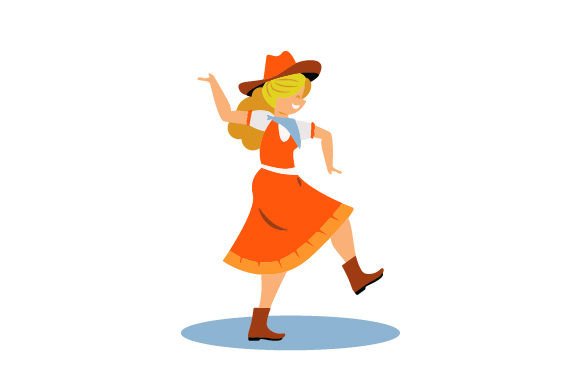
Western Dance Country Girl Dancing
When I sit down to review a new digital asset for my embroidery workflow, I am rarely looking for just another pretty picture. As a designer who frequently bridges the gap between digital files and tangible, stitched products, I need to know one thing immediately: does this design translate well from the screen to the hoop? Today, I am putting that lens on a file titled Western Dance Country Girl Dancing. It falls under the broad umbrellas of Dance Amp and Crafts, but those categories only tell half the story. The real value lies in how this specific composition handles the mechanics of thread, fabric tension, and visual storytelling.
The First Impression: Mood and Composition
At first glance, Western Dance Country Girl Dancing exudes a very specific energy. It is not subtle; it is celebratory. The subject matter—a dancer in motion—suggests dynamic lines and flowing shapes, which are inherently challenging to execute perfectly in machine embroidery. However, the "country" aspect implies a grounded, rustic aesthetic that often relies on bold silhouettes rather than delicate, fragile details. This is a crucial distinction. If the design leans too heavily into intricate lace-like patterns, it risks becoming muddy when stitched. But if it utilizes strong outlines and distinct negative space, it has the potential to be a standout piece.
The visual personality here feels like it belongs in a boutique setting or a high-end craft fair booth. It captures the spirit of line dancing, western wear, and small-town charm without feeling cliché. For an Etsy seller or a small business owner, this mood is marketable because it appeals to a niche audience that values tradition and performance. It feels ready-made for personalized gifts, whether for a dance recital, a country music festival, or a themed party.
Real-World Application: From File to Finished Product
Let’s talk about where this design actually lives in a commercial or hobbyist context. I recently considered using a similar dynamic figure for a custom embroidered tote bag project intended for a local dance studio. The question was always balance: would the design overwhelm the canvas, or would it sit comfortably as a focal point?
Western Dance Country Girl Dancing appears to have a layout that works exceptionally well for apparel and accessories. On a sweatshirt embroidery placement, particularly on the back yoke or across the chest, the verticality of a standing or dancing figure tends to flatter the garment. It draws the eye upward. Similarly, for a tote bag design, the central focus allows the sturdy cotton or canvas material to support the weight of the stitching without distorting.
I also see strong potential for baby embroidery items. A smaller version of this design could work beautifully on a onesie or a nursery wall hanging, capturing the whimsical side of childhood hobbies. The theme is wholesome enough for a gift registry yet distinctive enough to stand out in a sea of generic floral patterns. For holiday embroidery, this fits perfectly into autumn-themed collections, aligning with harvest festivals and country-style celebrations.
Where Caution Is Required
However, no design is perfect for every surface. There are specific scenarios where Western Dance Country Girl Dancing requires careful consideration. If you plan to stitch this onto curved surfaces like caps or hats, you must ensure the design’s proportions can withstand the distortion of the curve. A wide, sprawling design might lose its definition at the edges of a curved brim.
Furthermore, textured fabrics pose a risk. While a rustic feel is desirable, heavy denim or boucle weaves can swallow up fine details. If the design includes tiny satin stitches or complex fill stitch areas, they may disappear into the fabric texture. I would advise against using this on thin or stretchy fabrics unless you are confident in your stabilizer choices. Without proper support, the tension required to keep the dancer’s outline crisp could cause puckering, ruining the clean lines that give the design its character.
Technical Execution and Stitch Clarity
From a technical standpoint, the success of any machine embroidery design hinges on stitch density and thread color contrast. When evaluating Western Dance Country Girl Dancing, I look for how the designer handled the transition between different stitch types. Does the dress or outfit use a dense fill stitch that might require multiple thread changes? Or does it rely on running stitch and satin stitch outlines to define the shape?
For commercial embroidery projects, efficiency matters. Designs that require excessive thread trims or complex jumps can slow down production time. If this file includes applique design elements, it adds a layer of sophistication but also increases the hoopings needed. I recommend checking the file structure to see if it is optimized for single-hoop execution or if it demands re-hooping, which can lead to alignment issues.
Thread colors are equally critical. The contrast between the thread and the base fabric determines legibility. On dark fabric, light threads pop, but they may require a higher stitch count to cover the background completely. Conversely, on light fabric, darker threads provide sharp definition. I always suggest testing your chosen thread colors on scrap fabric before committing to a final product. This step saves time and prevents customer dissatisfaction due to unexpected color shifts.
Strategic Advice for Designers and Sellers
If you are an Etsy seller or a craft business owner looking to expand your inventory, Western Dance Country Girl Dancing offers several strategic advantages. It taps into the growing demand for personalized gifts and custom apparel. Customers love items that reflect their passions, and dance is a universal language of expression.
To maximize the appeal, consider how you present the finished product. Use printable mockups that show the design on various garments, such as aprons, pillow covers, and tea towels. This helps buyers visualize the item in their own homes or wardrobes. For digital product sellers, offering the design in multiple formats—such as SVG, PNG, EPS, DXF, and DST—is essential. Different machines and software platforms require different file types, so versatility increases your market reach.
Before listing this design for sale or using it in client work, there are a few non-negotiable steps:
- Test on Scrap Fabric: Always run a test stitch-out to check for tension issues, thread breaks, or registration errors.
- Review Stitch Density: Ensure the design is not too dense for the intended fabric, which can cause stiffness or bubbling.
- Confirm Hoop Size: Verify that the design dimensions fit within your standard hoop sizes to avoid unnecessary trimming or re-hooping.
- Inspect Small Details: Zoom in on the digital file to identify any tiny elements that might get lost in stitching.
- Check Licensing: Confirm whether the license allows for commercial use. Selling finished items made from this design requires explicit permission unless it is strictly personal use.
Final Verdict
Western Dance Country Girl Dancing is more than just a decorative image; it is a functional tool for creating engaging handmade products. Its dynamic theme and clear visual hierarchy make it suitable for a wide range of applications, from custom apparel to embroidered patches. While it requires thoughtful execution regarding fabric choice and stabilizer use, the payoff is a professional-looking result that resonates with customers who appreciate quality and thematic consistency.
For designers willing to put in the prep work, this design offers a reliable foundation for building a cohesive brand identity. Whether you are decorating a sweatshirt embroidery piece for a dance team or adding a unique touch to a kitchen towel, this file provides the creative spark needed to turn a simple stitch into a memorable keepsake. Just remember to test thoroughly, respect the fabric, and always prioritize clarity over complexity. That is the hallmark of a successful embroidery project.