Cow Girl Svg Embroidery Review
When I pull a new design file into my hoop for the first time, I am rarely looking at just a picture. I am visualizing the needle movement, the thread tension, and the final texture on fabric. As an embroidery designer who reviews assets for both personal studio work and client projects, I look for designs that balance aesthetic charm with technical feasibility. The Cow Girl Svg is a prime example of a graphic that promises strong commercial appeal but requires careful execution to translate from screen to stitch.
This product falls squarely into the Crafts and Graphics categories, marketed as a versatile bundle for cutting machines like Cricut and Silhouette. However, its potential extends far beyond vinyl decals. For those of us in the world of machine embroidery, this design offers a distinct western mood that can elevate simple garments and accessories. Below is my practical evaluation of how this design performs in real-world production scenarios.
First Impressions and Visual Personality
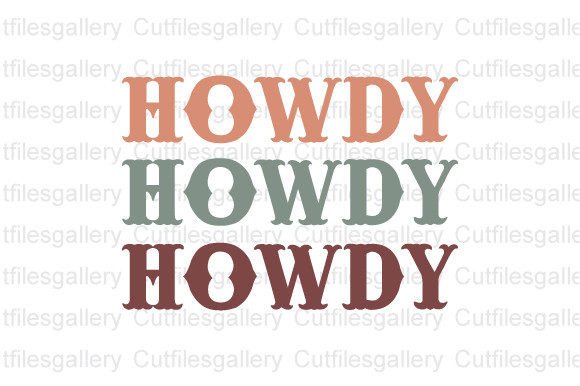
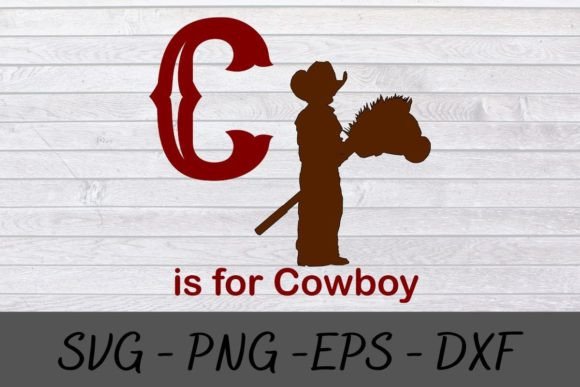
The immediate draw of the Cow Girl Svg is its thematic clarity. It captures a specific niche: rustic, playful, and distinctly American west. In the current market for handmade products, themes that evoke nostalgia or specific lifestyles tend to perform well. This design feels ready-made for boutique branding, particularly for shops targeting children, teens, or adults who appreciate country aesthetics.
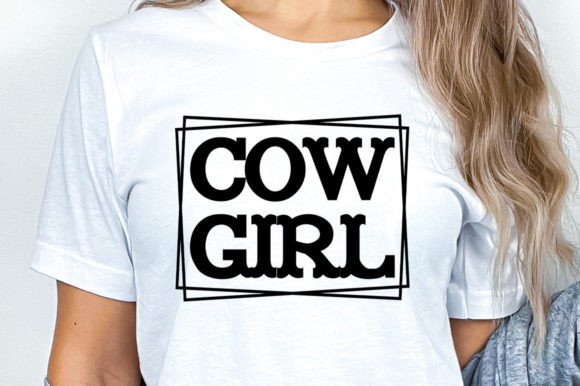
From a layout perspective, the design appears to have a balanced composition that works well for central chest placements on apparel or centered applications on home decor items. The visual personality is friendly rather than aggressive, making it suitable for a wide range of demographics. It does not rely on overly complex shading or photorealistic gradients, which is a smart choice for vector-based graphics intended for digitization. Simplicity often translates to higher quality in embroidery, provided the core shapes are clean.
Real-World Application Scenarios
To truly judge an embroidery design, you must imagine it on finished goods. Here is how I see the Cow Girl Svg performing across various product categories:
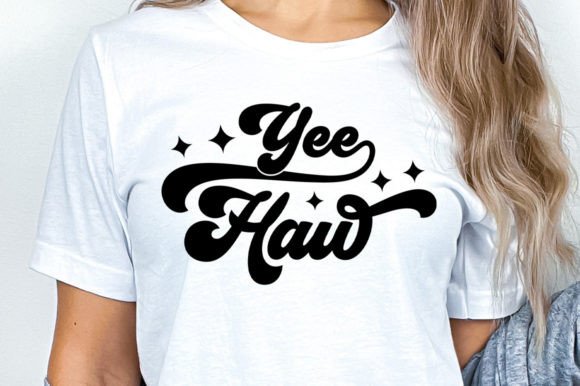
- Custom Apparel: On sweatshirts and t-shirts, this design shines. The western theme pairs naturally with denim jackets, flannel shirts, and heavyweight cotton tees. It adds character without overwhelming the garment. For custom apparel, it serves as a strong focal point that invites conversation.
- Tote Bag Design: A canvas tote bag embroidered with this motif is a staple item for craft fairs and Etsy sellers. The durability of canvas handles the stitching well, and the design’s broad appeal makes it a safe bet for inventory.
- Baby Embroidery: Given the playful nature of many cow girl motifs, this file could be adapted beautifully for baby onesies, burp cloths, or nursery wall hangings. The key here is scaling; ensuring the elements remain legible when reduced in size is crucial for delicate fabrics.
- Embroidered Patch: Converting this graphic into a patch design is a logical step. Patches allow for applique techniques where the background is cut away, leaving only the detailed lines. This adds a premium feel to backpacks, caps, and jean jackets.
- Holiday Embroidery: While not strictly holiday-themed, western motifs often sell well during autumn and winter seasons. Think pumpkin patches, rodeo events, or cozy cabin gifts. This design fits seamlessly into that seasonal merchandise mix.
Technical Considerations and Stitch Quality
Translating a vector SVG into an embroidery file requires more than just conversion software; it requires digitization judgment. Here are the critical factors to consider before running this design on your machine:
Stitch Density and Fabric Choice
The success of any machine embroidery design hinges on stitch density. If the design contains large areas of fill stitch, ensure your digitizer has set appropriate density to prevent puckering, especially on lightweight fabrics. Conversely, if the design relies heavily on satin stitches for outlines, check that the underlay is sufficient to hold the threads in place. I recommend testing this design on scrap fabric first to evaluate how the thread colors interact with the base material. High contrast between the thread and fabric is essential for readability.
Hoop Size Constraints
Always verify the hoop size limits of your specific design file. Large designs may require multiple hooping attempts, which increases the risk of misalignment. For smaller projects like hats or baby items, ensure the design scales down without losing detail. Tiny lettering or intricate decorative accents can become muddy if the physical size drops below a certain threshold. If the original SVG includes text, inspect those characters closely in your digitizing software to ensure they remain crisp after stitching.
Stabilizer Selection
The choice of stabilizer is often overlooked but vital. For stretchy fabrics like jersey knit used in t-shirts, a cut-away stabilizer is usually necessary to prevent distortion over time. For woven fabrics like canvas or denim, a tear-away may suffice depending on the design's weight. Using the wrong stabilizer can lead to messy edges or bubbling, ruining the professional look of your finished product.
Where to Use Carefully
While the Cow Girl Svg is versatile, there are contexts where it demands caution:
- Small Hoop Sizes: Avoid attempting to stitch this design on very small hoops unless the details are simplified. Cluttered designs lose their impact when cramped.
- Textured Fabrics: Heavily textured materials like boucle or thick chenille can obscure fine details. Stick to smooth surfaces for the best result.
- Curved Surfaces: Applying this to curved items like baseball caps requires precise mapping. Ensure the design is digitized with curvature in mind, or use a cap frame carefully to avoid distortion.
- Frequent Washing: For items like kitchen towels or aprons that undergo frequent laundering, ensure the stitching is dense enough to withstand wear. Loose threads or weak underlay will fail quickly in high-use environments.
Commercial Viability and Branding
For Etsy sellers, small shop owners, and craft business operators, the value of a design extends beyond its visual appeal. Does it help build brand consistency? Yes. The western theme allows for cohesive collections—pairing this shirt design with matching tote bags, stickers, or home decor creates a recognizable brand identity. Customers trust brands that offer coordinated, high-quality aesthetics.
Furthermore, the ability to create printable mockups of this design is a significant asset for digital marketing. Even before producing physical samples, you can visualize how the Cow Girl Svg looks on various backgrounds, helping you gauge customer interest and optimize your listings. This reduces waste and allows for agile inventory management.
Final Designer Notes
Before committing to mass production or selling finished items, take these practical steps:
- Test on Scrap: Always stitch a test run on the actual fabric you plan to use. Check for thread breaks, tension issues, and color accuracy.
- Review Licensing: Confirm whether the digital embroidery file or source graphic allows for commercial use. Selling finished products often has different licensing requirements than selling the digital files themselves.
- Inspect Details: Zoom in on the digitized version. Are the corners sharp? Is the satin stitch smooth? Are there any unnecessary jumps or trims?
- Compare Backgrounds: Test the design on both light and dark fabrics to ensure visibility and aesthetic balance.
The Cow Girl Svg is a solid foundation for a variety of embroidery project types. It balances charm with commercial potential, making it a worthy addition to any designer’s toolkit. By paying attention to stitch quality, fabric selection, and proper finishing, you can transform this graphic into a high-value handmade product that resonates with customers and stands up to real-world use.