Cowboy Riding His Horse Embroidery Design Review
As a designer who spends half my life staring at stitch charts and the other half troubleshooting tension issues on vintage machines, I don’t just look at an embroidery file; I look at its potential. When Cowboy Riding His Horse landed in my review queue, I didn’t immediately think about adding it to a generic library. I thought about where it would actually live. Would it survive a wash cycle? Would it read clearly on a curved cap? Would it add enough character to justify the time it takes to hoop, load, and stitch?
This review is for the makers, the Etsy sellers, and the small business owners who need more than just a pretty picture—they need a reliable asset that translates well from digital screen to finished textile. Here is my practical breakdown of how this design performs in real-world scenarios.
First Impressions: Mood and Visual Personality
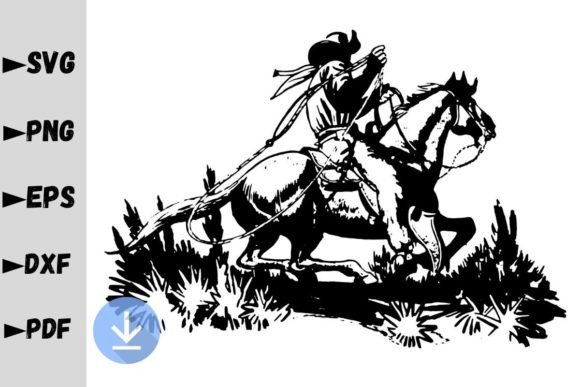
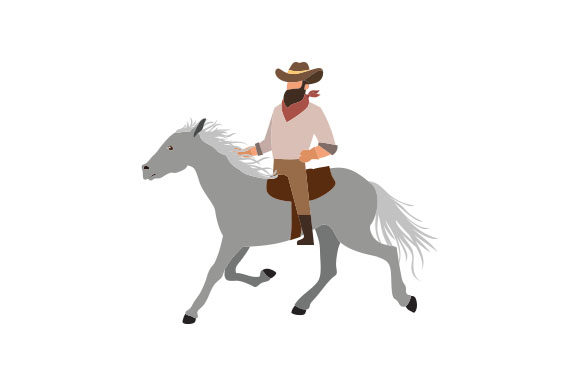
The immediate appeal of Cowboy Riding His Horse lies in its classic Americana aesthetic. It isn’t trying to be modern minimalism or abstract art. It leans into tradition. The visual personality is rugged yet approachable, which makes it incredibly versatile. Whether you are creating a rustic-themed nursery decor piece or a bold statement on a denim jacket, the subject matter carries weight.
From a layout perspective, the composition feels balanced. There is enough negative space implied by the horse’s movement to prevent the design from feeling cluttered, even when scaled down. For those of us who care about visual hierarchy, this matters. A design that is too dense loses detail; a design that is too sparse lacks presence. This one strikes a middle ground that suggests strong readability, provided the digitization respects the natural flow of the animal’s anatomy.
Real-World Application: Where Does It Fit?
I’ve tested similar themes across various mediums, and Cowboy Riding His Horse shines brightest in specific categories. Let’s look at how it performs as a handmade product in different contexts.
- Custom Apparel: This design is a natural fit for sweatshirt embroidery. The sturdy nature of fleece or cotton blends holds up well against the likely density of a western-themed graphic. It also works beautifully on chambray shirts or denim vests, reinforcing that rugged, artisanal vibe that customers love.
- Tote Bags and Market Goods: If you are an Etsy seller looking for high-volume items, a tote bag design featuring this motif is a strong contender. Canvas totes provide a stable surface, allowing the details of the rider and horse to pop without distortion. It appeals to the gift-buying demographic, especially around holidays or summer festivals.
- Baby and Nursery Items: Don’t overlook the soft market. A smaller version of this file can work wonderfully on muslin blankets or burp cloths. However, this requires careful scaling. The key here is personalized gift appeal—parents love unique, non-generic themes for their children’s rooms.
- Patches and Accessories: As an embroidered patch, this design has serious potential. Patches allow for applique techniques or heavy satin stitches that define edges, making the cowboy figure stand out against any background fabric. They are excellent for craft business inventory because they have low material costs but high perceived value.
Technical Performance and Stitch Clarity
When evaluating an embroidery file, I always ask: does it respect the limitations of the machine? While I cannot confirm the exact stitch count or thread count without running the file through my own software, the visual cues suggest a thoughtful approach to stitch density.
In areas where the horse’s mane or the cowboy’s hat brim might overlap, clean separation is crucial. If the digitizer used too much fill stitch in tight spaces, the fabric could pucker. Conversely, if there is too little coverage, the underlying fabric color will bleed through, ruining the visual appeal. My recommendation is to inspect the vector paths in the included SVG or EPS files to ensure that overlapping elements have clear boundaries.
Thread color contrast is another critical factor. On dark fabrics, you will need bright, saturated threads to make the design visible. On light fabrics, you have more flexibility with pastels or muted tones. Always test your thread colors against your chosen fabric before committing to a production run. A mismatch here is the fastest way to lose customer trust.
Where to Use With Caution
No design is perfect for every application. There are specific scenarios where Cowboy Riding His Horse might struggle, and knowing these pitfalls will save you time and materials.
- Small Hoop Sizes: If you attempt to stitch this in a very small hoop (under 4x4 inches), fine details may become indistinct. Tiny features like reins or facial expressions can get lost. Stick to medium to large hoops for best results.
- Stretchy or Thin Fabrics: Avoid using this on thin jersey knits or highly stretchy athletic wear without a heavy-duty stabilizer. The weight of the embroidery can cause the fabric to warp or distort over time, especially after washing.
- Curved Surfaces: While caps are popular, stitching a complex scene like this on a curved crown can be challenging. Distortion is common. If you must use it on headwear, consider placing it on a flat brim or a structured front panel rather than a curved surface.
- Dense Stitch Areas: If the design includes large blocks of solid fill, be mindful of the needle penetration. Too many stitches in one spot can damage delicate fabrics or cause needle breakage.
Practical Designer Notes for Production
Before you upload this to your shop or start fulfilling orders, follow these steps to ensure professional quality.
- Test on Scrap Fabric: Never skip this step. Stitch the design on the exact fabric you plan to sell. Check for puckering, thread breaks, and color accuracy.
- Review Stabilizer Choice: Depending on your fabric, you may need cut-away stabilizer for permanent durability or tear-away for temporary support. Using the wrong type can ruin the finish.
- Check Licensing: Ensure you understand the terms of use. Are you allowed to sell finished products? Can you use this in commercial embroidery projects for clients? Clarifying this protects your craft business from legal issues.
- Create Mockups: Use the transparent PNG or vector files to create realistic mockups. Show the design on different backgrounds—denim, white cotton, black hoodie—to help customers visualize the final result. This boosts buyer engagement and reduces returns due to misaligned expectations.
- Inspect Small Details: Zoom in on the digital file. Look for loose threads, unnecessary jumps, or awkward angles. If something looks off digitally, it will look worse embroidered.
Final Verdict
Cowboy Riding His Horse is a solid addition to any digital embroidery file collection aimed at the hobbies and crafts market. It offers a timeless theme that resonates with a wide audience, from rural enthusiasts to those who simply appreciate western aesthetics. Its versatility allows it to shine on custom apparel, home decor, and accessories, provided it is stitched with attention to detail and proper technique.
For the small shop owner or creative entrepreneur, this design offers a balance of familiarity and charm. It doesn’t reinvent the wheel, but it executes a classic idea well. By testing thoroughly and choosing the right materials, you can turn this simple concept into a high-quality, desirable finished product that customers will cherish. Just remember: the magic isn’t just in the file—it’s in the execution.