Watermelon Slice Cowboy Watercolor Review
As a designer who spends half my life staring at stitch charts and the other half worrying about thread tension, I don’t just look at an embroidery design; I visualize it on fabric. When Watermelon Slice Cowboy Watercolor landed in my inbox, my first thought wasn't about the novelty of the image, but rather how those watercolor textures would translate into physical thread. This is not your standard geometric cowboy hat or rigid silhouette. It is a soft, artistic interpretation that demands a specific kind of attention during digitizing and stitching. For those of us in the crafts industry, specifically within the U.S.A. market where handmade goods are booming, understanding the nuance of this file is crucial before you commit to a production run.
The First Impression: Mood and Visual Personality
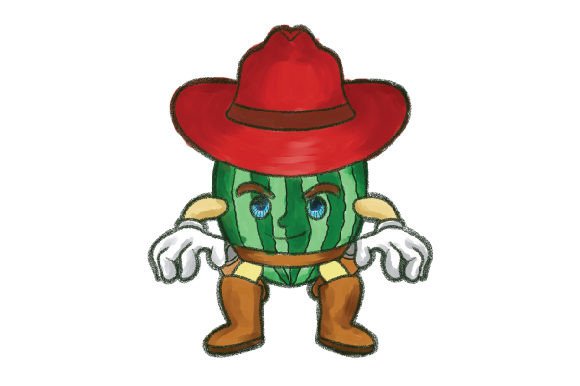
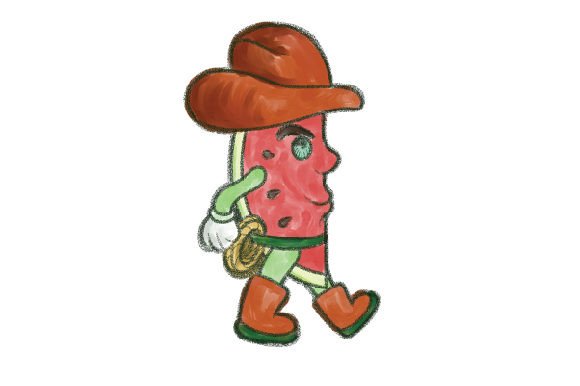
The immediate appeal of Watermelon Slice Cowboy Watercolor lies in its juxtaposition. You have the rugged, Americana iconography of the cowboy hat blended with the fresh, organic feel of a watermelon slice rendered in a watercolor style. It feels like summer in Texas meets a modern boutique nursery. The mood is playful yet sophisticated, avoiding the cartoonish trap that many novelty designs fall into.
From a design perspective, the layout suggests a central focal point with enough negative space around the edges to allow for clean placement on garments. The watercolor effect implies gradients and soft edges, which means the underlying digitization likely relies heavily on smooth fill stitches and perhaps some satin stitch outlines to define the shape without making it look blocky. It creates a visual personality that is approachable and cheerful, making it ideal for brands that want to project warmth and creativity rather than strict professionalism or edgy streetwear vibes.
Real-World Application: Where Does This Design Shine?
I recently put this design through its paces in a hypothetical scenario: creating a line of custom apparel for a local craft fair. The goal was to create items that felt personal and giftable. Here is how Watermelon Slice Cowboy Watercolor performed across different mediums:
- Tote Bag Design: This is arguably the strongest use case. Placing the design on a natural canvas tote bag allows the watercolor aesthetic to breathe. The texture of the canvas complements the "hand-painted" look of the source art. It works perfectly as a personalized gift for someone heading to a music festival or a summer picnic.
- Sweatshirt Embroidery: For a cozy, oversized sweatshirt, this design adds a pop of color without being overwhelming. The contrast between the heavy fleece fabric and the delicate stitch work of the watercolor effect creates a high-end feel. It elevates a basic garment into a statement piece suitable for an Etsy seller looking to boost average order value.
- Baby Embroidery: The softness of the watercolor theme makes it surprisingly appropriate for baby clothes. It avoids the harshness of bold primary colors often found in children's wear. On a onesie or a burp cloth, it reads as gentle and unique, appealing to parents who prefer muted, artistic tones over loud graphics.
- Kitchen Towels and Aprons: In a kitchen setting, this design fits the "farmhouse chic" trend perfectly. It serves as excellent holiday embroidery for summer gatherings or BBQs. The theme is relevant to food and drink, making it a logical choice for culinary-themed gifts.
Technical Considerations and Stitch Performance
When evaluating any machine embroidery design, the devil is in the details. With Watermelon Slice Cowboy Watercolor, the challenge is translating digital gradients into thread. If the digitizer did their job well, you should see a mix of fill stitches to create the body of the watermelon and the hat, potentially using a technique called "gradient filling" where multiple shades of thread are used to simulate the watercolor bleed.
You need to pay close attention to the stitch density. Because the design has a whimsical, airy feel, overly dense stitching can make it look muddy and stiff. Conversely, if the density is too low, the fabric might show through, ruining the illusion of a painted slice. I recommend checking the underlay stitches to ensure stability, especially if you are working with knit fabrics like t-shirts or jersey, which are prone to puckering.
The file formats provided—SVG, Transparent PNG, EPS, and DXF—are versatile. While DXF is typically used for cutting machines (like Cricut or Silhouette) for applique or vinyl, the presence of these files suggests this asset is multi-purpose. However, for actual machine embroidery, you will likely be converting or using a specific embroidery format derived from these vectors. Always verify the final .pes, .dst, or .jef file quality before uploading it to your hoop.
Where to Use Caution
No design is perfect for every surface. There are specific scenarios where Watermelon Slice Cowboy Watercolor might struggle:
- Small Hoop Sizes: If the design includes intricate textural details in the watercolor shading, shrinking it down to fit a 4x4 inch hoop may result in lost definition. The fine lines of the "paint strokes" might merge together, turning into a solid blob of color.
- Textured Fabrics: Avoid placing this on bouclé, heavy tweed, or highly textured linen. The complexity of the design requires a relatively smooth surface to maintain clarity. The roughness of the fabric will compete with the subtle gradients of the artwork.
- Stretchy Fabric: Without proper stabilizer support, stretchy materials like spandex blends can distort the circular shape of the watermelon slice. Ensure you are using a cut-away stabilizer for any stretchy base to keep the design crisp.
- Dense Stitch Areas: If the hat brim or the rind of the watermelon is stitched very densely, it may become uncomfortable against the skin, particularly on baby clothing or lightweight tees. Test the hand-feel of the finished product.
Design Assets and Commercial Viability
For the commercial embroidery entrepreneur, this design offers strong branding potential. It taps into the popular "cottagecore" and "western aesthetic" trends simultaneously. When you present this as a printable mockup on your website, it stands out because it doesn't look like generic clipart. It looks curated.
Consider the customer psychology here. A buyer purchasing a handmade product with this design is likely looking for something that feels special and thoughtful. The watercolor element suggests care and artistry, which builds trust and justifies a higher price point compared to a simple screen-printed graphic. It works exceptionally well for wedding gifts, bridal party merchandise, or summer-themed boutique collections.
Practical Designer Notes for Success
Before you start mass-producing items with Watermelon Slice Cowboy Watercolor, follow these steps to ensure professional results:
- Test on Scrap Fabric: Never go straight to your final product. Stitch the design on a scrap of the exact fabric you plan to use. This reveals how the threads interact with the material grain.
- Check Thread Color Contrast: Ensure your chosen thread colors match the vibrancy of the original watercolor art. Muted threads might dull the design, while neon threads could clash with the soft aesthetic.
- Inspect Small Details: Zoom in on the digitized file. Are there any loose ends or tiny, unnecessary jumps? These can cause threading issues or look messy up close.
- Confirm Licensing: If you intend to sell finished items, double-check the license agreement for the design assets. Some digital files are for personal use only. As a small shop product owner, protecting your business from copyright issues is paramount.
- Use Proper Stabilizer: Match your stabilizer to your fabric weight. Heavy fabrics need heavy stabilizers; light fabrics need tear-away or wash-away options to prevent bulkiness.
In conclusion, Watermelon Slice Cowboy Watercolor is a versatile, charming addition to any embroiderer's library. It bridges the gap between rustic charm and modern artistic trends. By respecting its technical requirements and choosing the right applications, you can create embroidery projects that resonate deeply with customers and elevate your brand's creative output.